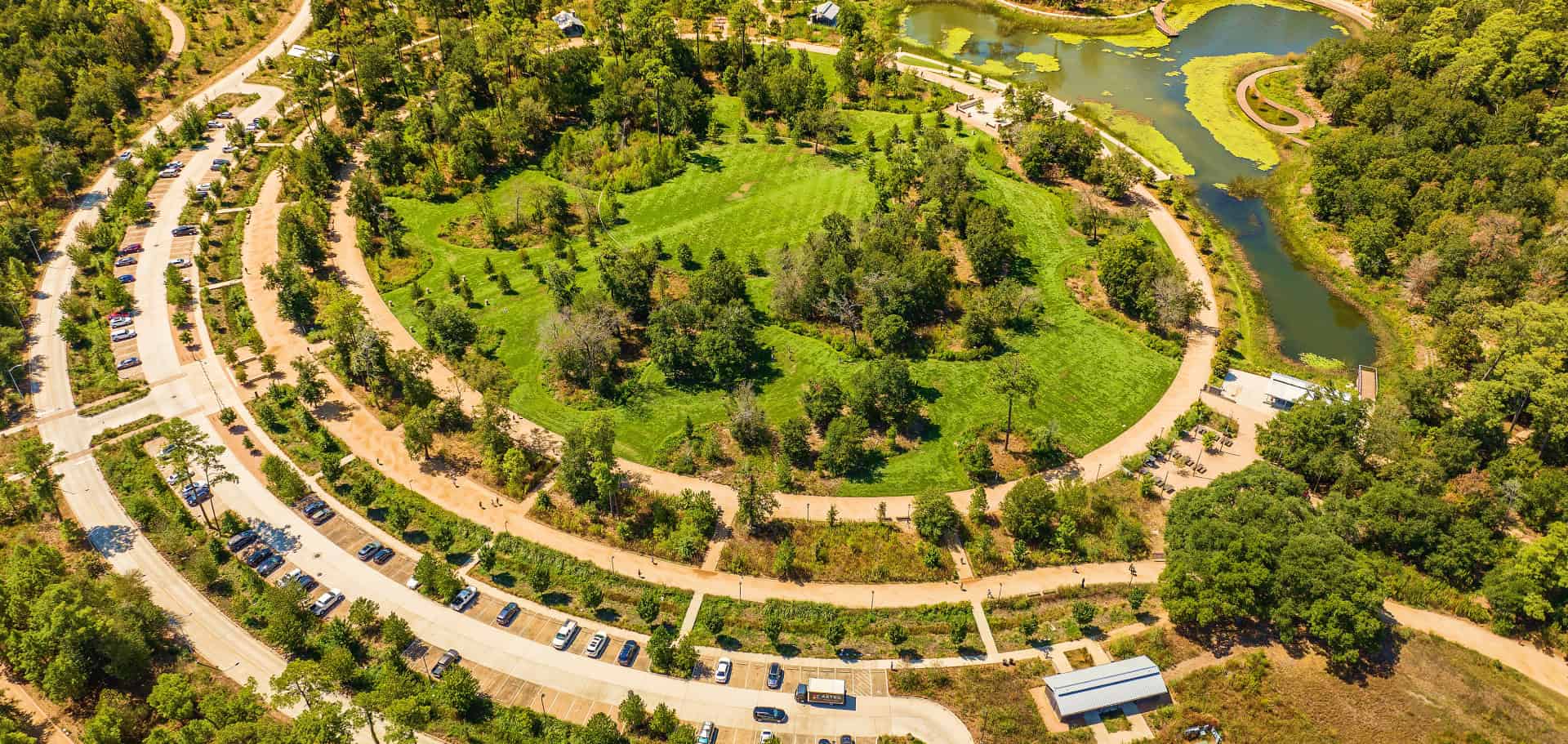
Memorial Park once featured a variety of distinct ecosystems. Through recent efforts, these ecosystems, including the homes of over 400 species of plants and animals, are being restored. The Memorial Park Conservancy Park Operations team is responsible for the care and maintenance of Memorial Park 365 days a year.
Historically, Houston’s landscape, including Memorial Park, featured distinct ecological systems like forests, savannas, prairies, and wetlands. Over the years, many ecosystems have been overtaken by invasive, unhealthy environments. As Memorial Park Conservancy advances its Master Plan and restores native habitats, the Park’s natural areas are gradually shifting from imbalance to a suitable ecology for each area.
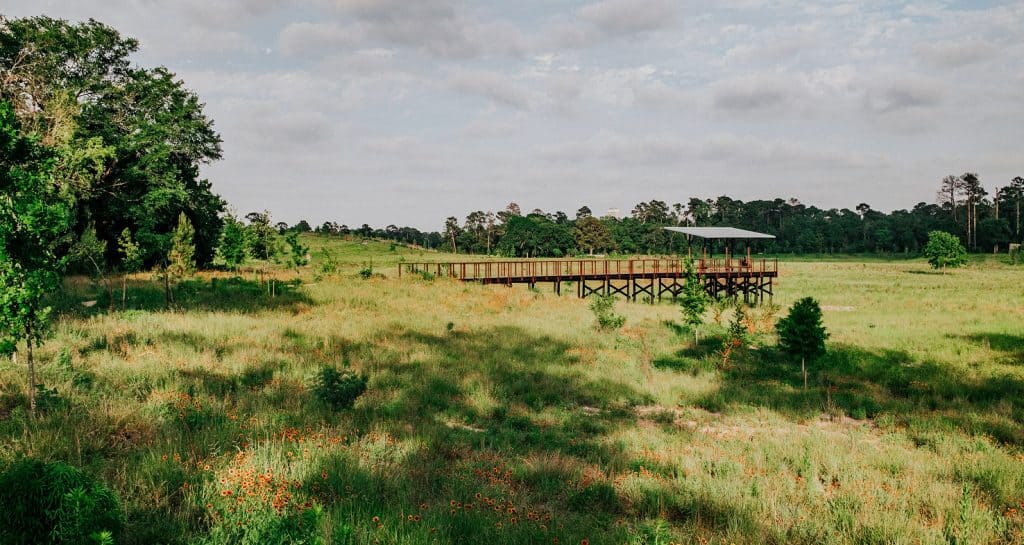
Gulf Coast Prairies are characterized by vast expanses of grasses interspersed with a variety of flowers and minimal shrub and tree coverage. During winter, the grasses enter a dormant phase, yet their roots remain active, allowing for future regrowth. As the prairie matures, the diverse root systems of these grasses contribute to healthy soil, fostering communities of bacteria, fungi, and invertebrates while aiding in carbon storage. In spring, vibrant flowers attract essential pollinators like moths, butterflies, and bumblebees. As the season transitions to summer, birds such as hawks and kites soar above in search of prey. In the fall and winter months, migratory birds forage for seeds and find refuge among the vegetation. These expansive ecosystems also provide crucial food and shelter for a variety of insects, rodents, reptiles, birds, and mammals.
FORESTS
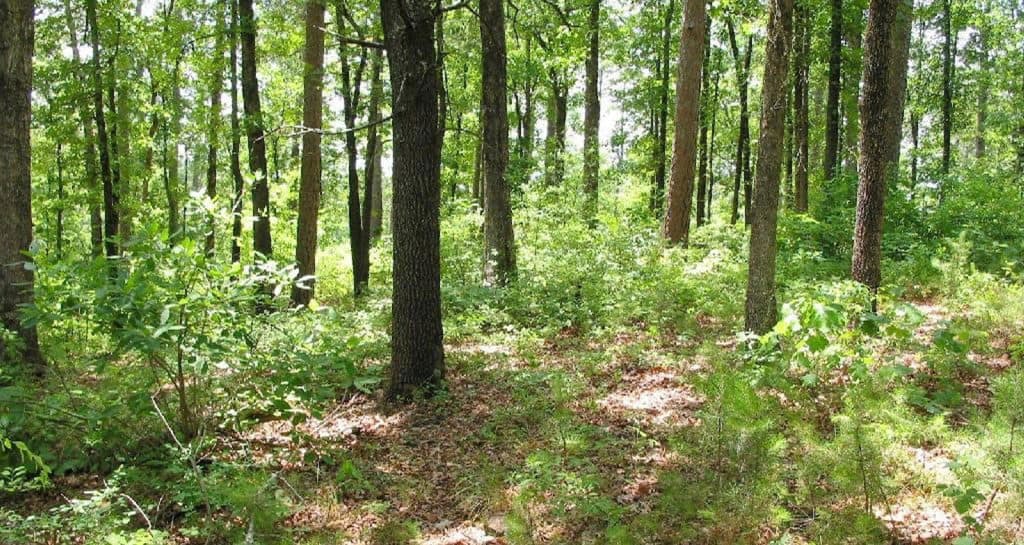
Forests boast the highest tree coverage among all ecosystems, providing a habitat for shrubs, flowers, and grasses that thrive in shaded areas. They support a diverse array of wildlife, including invertebrates, reptiles, amphibians, birds, rodents, and various mammals. Fungi and bacteria play a vital role in decomposing fallen trees, enriching the ecosystem. Moreover, forests contribute to the development of nutrient-rich soil and vibrant communities of bacteria, fungi, and invertebrates.
SAVANNAS
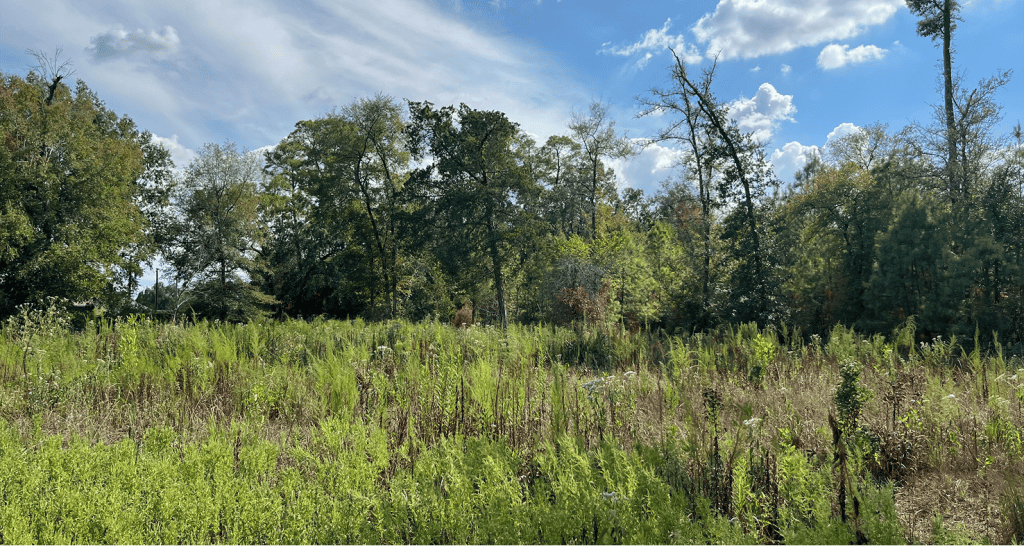
Savannas are defined by a diverse community of grasses, flowers, shrubs, and trees, featuring a moderate coverage of shrubs and trees. Scattered throughout are clusters of pines and hardwoods, referred to as “motts,” which come in various sizes and create an understory rich in native grasses and forbs. Like forests and prairies, these ecosystems are home to a wide range of insects, reptiles, birds, and mammals.
WETLANDS
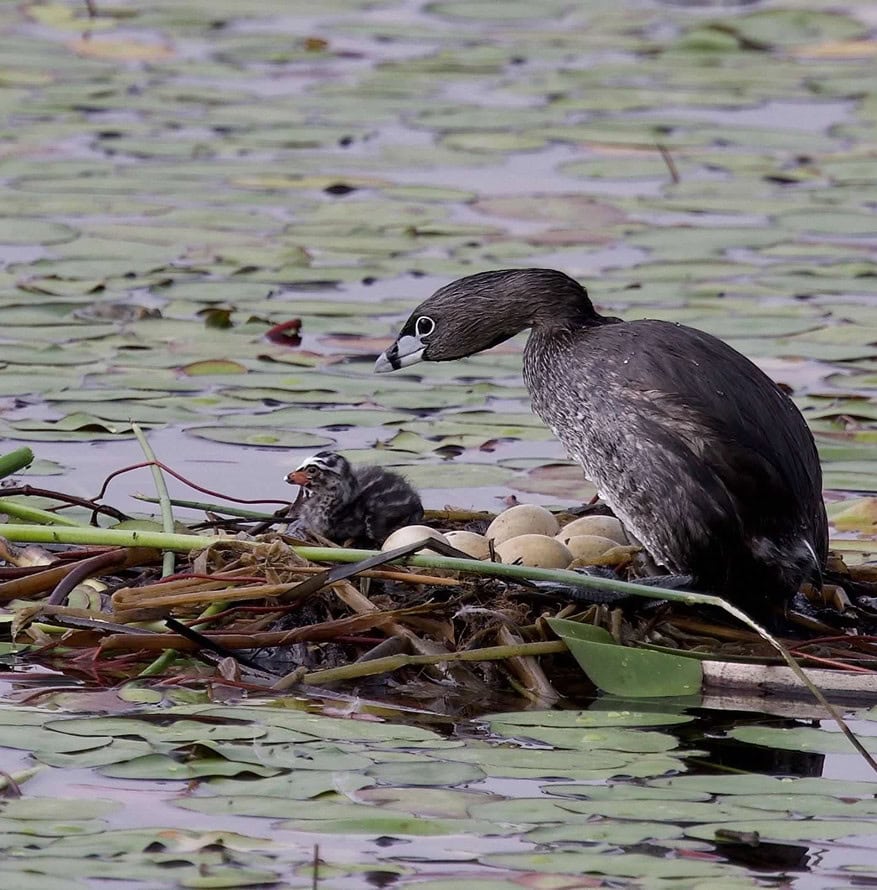
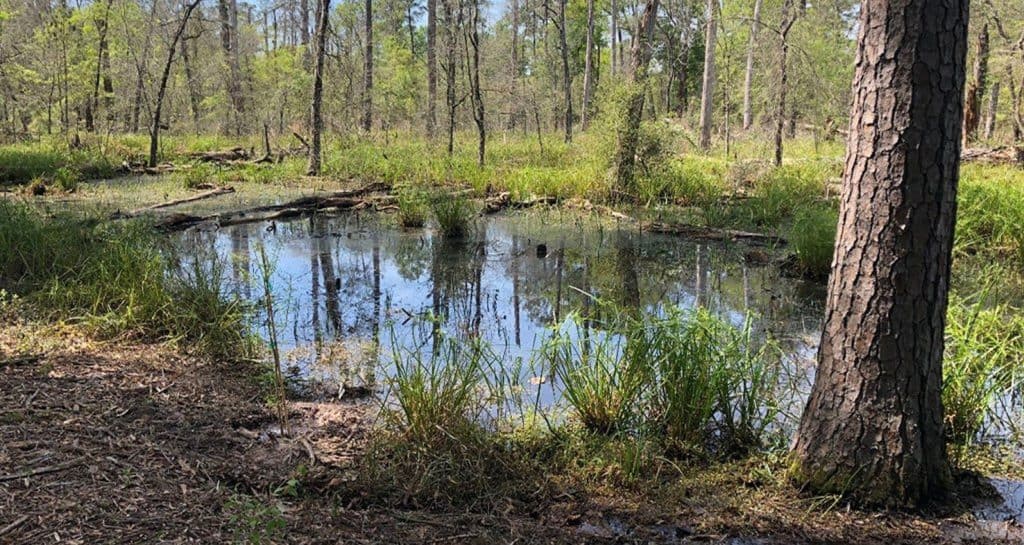
Wetlands serve as an additional ecosystem within various environments, such as forests, savannas, and prairies. They play a crucial role in filtering pollutants from rainfall and gradually releasing water back into the ecosystem, either downstream or into the soil. Wetlands often maintain consistent water levels, providing habitats for a diverse range of invertebrates, frogs, fish, birds, and plants that thrive in saturated conditions. Some wetlands may only be filled with water intermittently. During wet seasons, mammals like raccoons may search for crawfish, while in the summer months, bats can be seen swooping above the water to catch insects.
DAILY CONSERVATION EFFORTS
NATIVE HABITATS & DIVERSITY
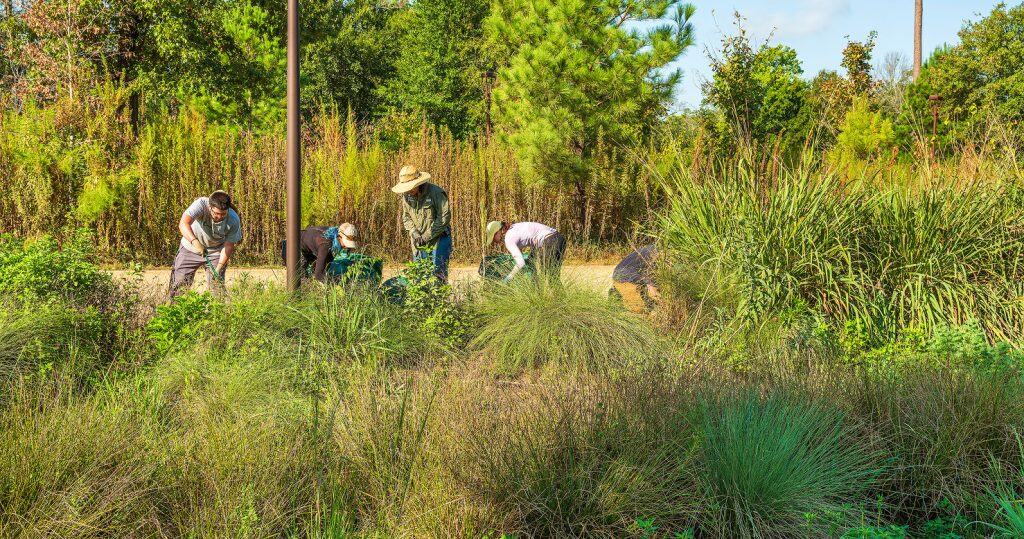
One of the main priorities of the Conservation team is to nurture and grow native habitat spaces. This is achieved with great thoughtfulness and care by managing and restoring existing plant life, while also removing aggressive and invasive species to encourage the natural growth of native plants from the seed bank.
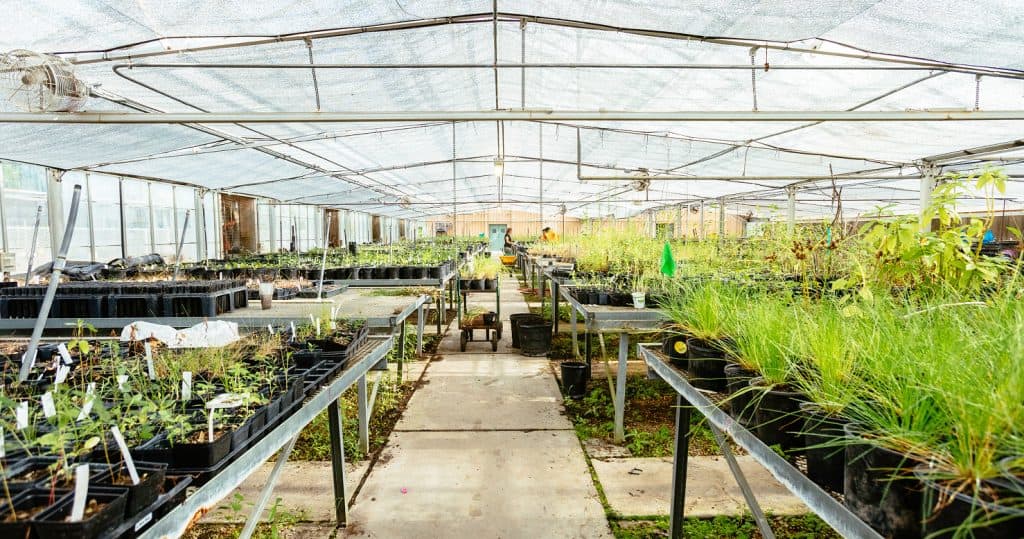
Another priority is fostering the enhancement of plant diversity. This is achieved by introducing additional seeds into native habitats.
The Conservation team gathers and shares seeds from both Memorial Park and other green spaces to enhance biodiversity in Memorial Park and across the region.
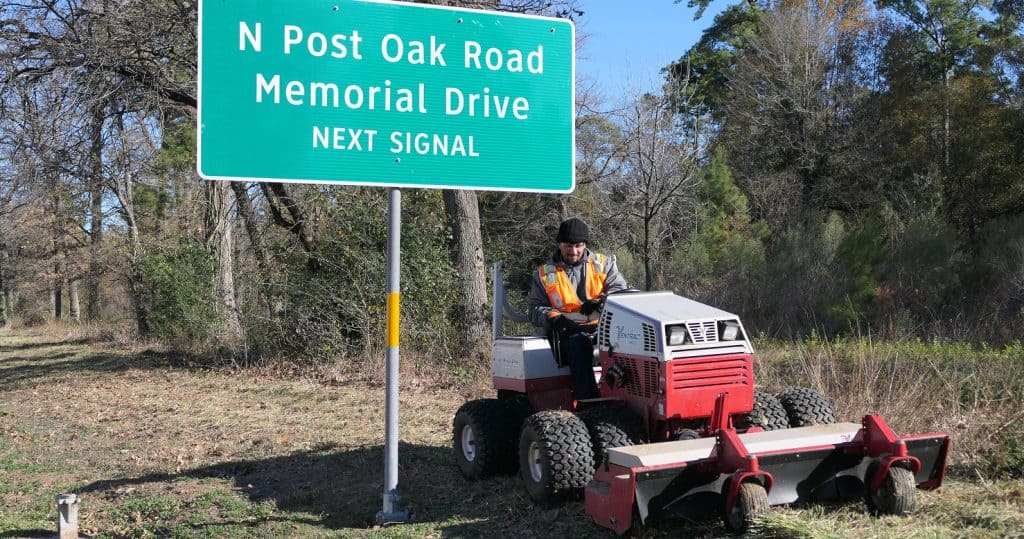
In the absence of natural disturbances like fire and grazing, MPC staff replicates these processes through mowing and additional clearing, aiming to emulate historical methods for maintaining healthy ecosystems.
The team regularly assesses the Park’s native habitats to evaluate the health of existing plants. This aids in identifying the necessary interventions needed to preserve the ecological environment.
Through strategic planning and implementation, the team intentionally uses native plants to minimize the excessive reliance on irrigation, fertilizers, supplements, and other external resources. Native plants also reduce the need for frequent mowing.
The team utilizes contractors and a range of tools to observe wildlife activity and gain insights into how urban wildlife interacts within ecological areas.
CONSERVATION EDUCATION
Memorial Park Conservancy frequently partners with various parks, organizations, and conservation experts to exchange resources and gain insights into best practices.
Memorial Park Conservancy places a strong emphasis on education by offering ongoing training for staff, aimed at inspiring and nurturing the next generation of conservationists.
There is an additional focus on educating the public about native spaces through purposeful design and stewardship, effective messaging, and volunteer outreach.
PARK CARE
The Memorial Park Conservancy Park Operations team works tirelessly to ensure that every visitor has a pleasant experience, whether they are hiking the trails, enjoying a picnic, or participating in a community event.
Here are just a few of the daily responsibilities assigned to our teams:
Upkeep and repair of Park amenities, such as water fountains, playgrounds, benches, lighting, parking lots, fencing, and more.
Daily removal of trash and litter.
Routine cleaning and maintenance of all Park buildings and facilities each day.
Daily cleaning and restocking of all restrooms to provide a hygienic environment for visitors.
Care and maintenance of trails and pathways. Mowing of all lawns and green spaces, outside of native spaces.
Plumbing, carpentry, electrical repairs and maintenance for facilities and amenities.
Identify and mitigate hazardous trees to ensure the safety of Park visitors and facilities.
Ensure effective drainage of rainwater to allow for quick usability of amenities and spaces after weather events.
Winterize amenities and facilities to prevent damage during cold weather.
Hire and supervise contractors for facility enhancements and renovations.
Prioritize Park improvement requests from users, stakeholders, and staff.
Maintain a safe and hazard-free environment for all Park users.
The continuous efforts of the Park Operations team ensure that Memorial Park is safe and enjoyable for visitors throughout the entire year. Thanks to their commitment, Memorial Park remains a lively and inviting space for everyone to appreciate, both now and in the future.
Interactive Park Map
Visit the Memorial Park map to explore all the Park has to offer: trails, recreation facilities, historic sites, and more!