October 7, 2026

Memorial Park sits on land that was once part of Camp Logan, a World War I training base. The upcoming Memorial Groves project is designed to honor and reveal the history and stories of Camp Logan.
‘As the sun of day burns down and the gulf wind cools with his breeze the nights, as the shadows fall and the moonlight ghosts over the landscape, Camp Logan lies in a waiting attitude as to what will next be done…But at night the past, that past, which has just closed its chapter, hovers over it all.’
—Ilona Benda, Houston Chronicle, 1923
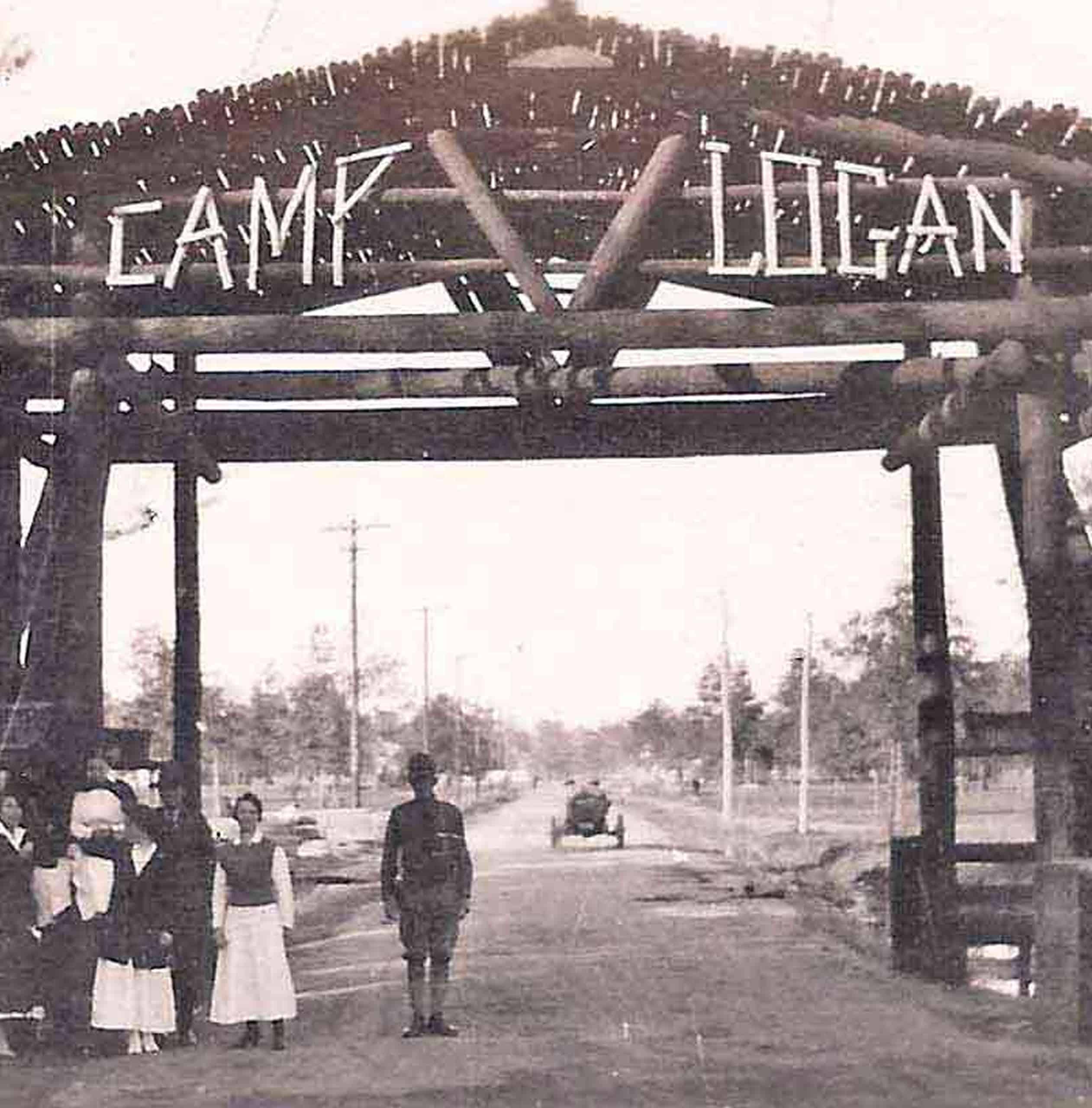

On July 18, 1917, the United States entered World War I and leased 7,600 acres of forested land on Buffalo Bayou to establish the Camp Logan training base. Named for General John A. Logan, Mexican War and Civil War veteran and senator from Illinois.
The camp trained 70,000 soldiers, housing 30,000 at any given time, leading it to become a social center of Houston.
During the war, nearly 1,000 Camp Logan soldiers lost their lives and over 6,200 were wounded. To this day, people associate Camp Logan soldiers with heroism and bravery.
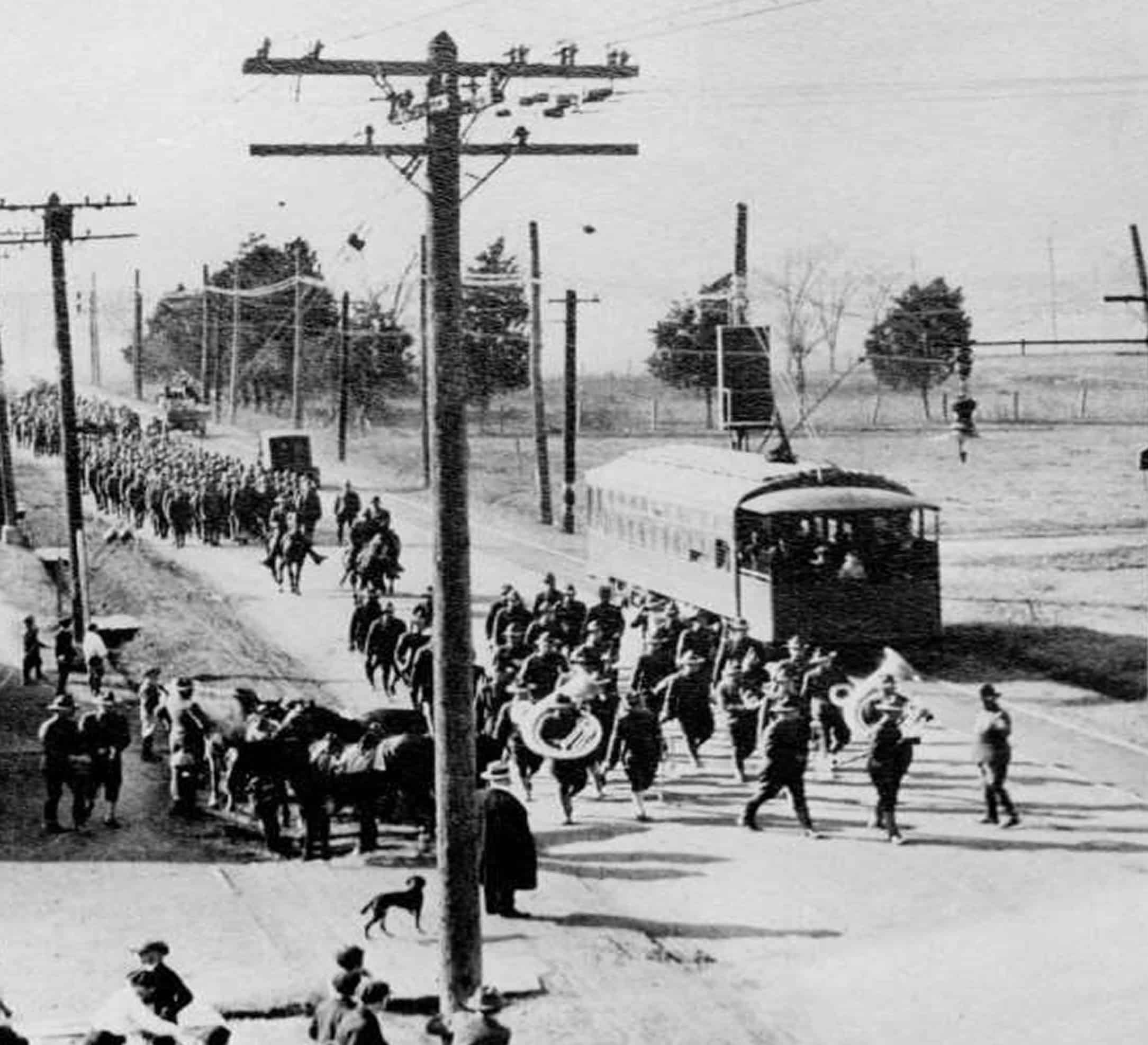
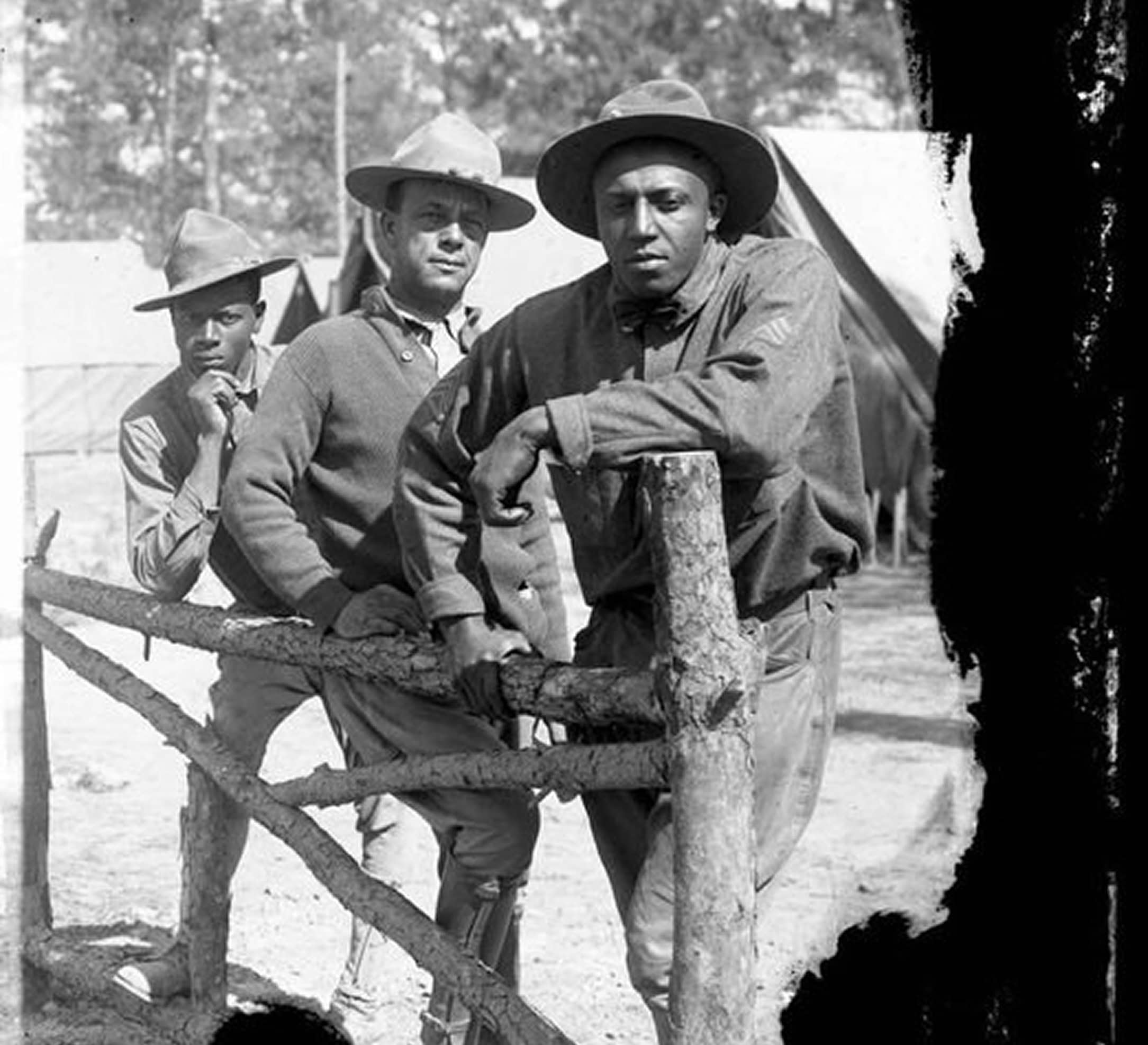
Notable among them was the 370th regiment who, after training at Camp Logan, went on to serve with the French military and become the most decorated in WWI.
Camp Logan was not without tragedy, however. Following months of racial unrest, violence erupted on the night of August 23, 1917, leading to the event formerly known as the ‘Houston Mutiny and Riots.’
Nineteen soldiers and civilians were killed that night, and soon after, the U.S. Army convicted 110 Black Soldiers of the 3rd Battalion, 24th Infantry Regiment.
The U.S. Army soldiers from the 3rd Battalion, 24th Infantry Regiment served their country bravely while guarding the construction of Camp Logan in 1917. Following the events of August 23, 1917, 110 of these soldiers were unfairly tried, convicted and court-martialed in the aftermath of what was formerly known as the “Houston Mutiny and Riots of 1917.” Of these 110 soldiers, 19 were executed, and 63 were given life sentences in federal prison.
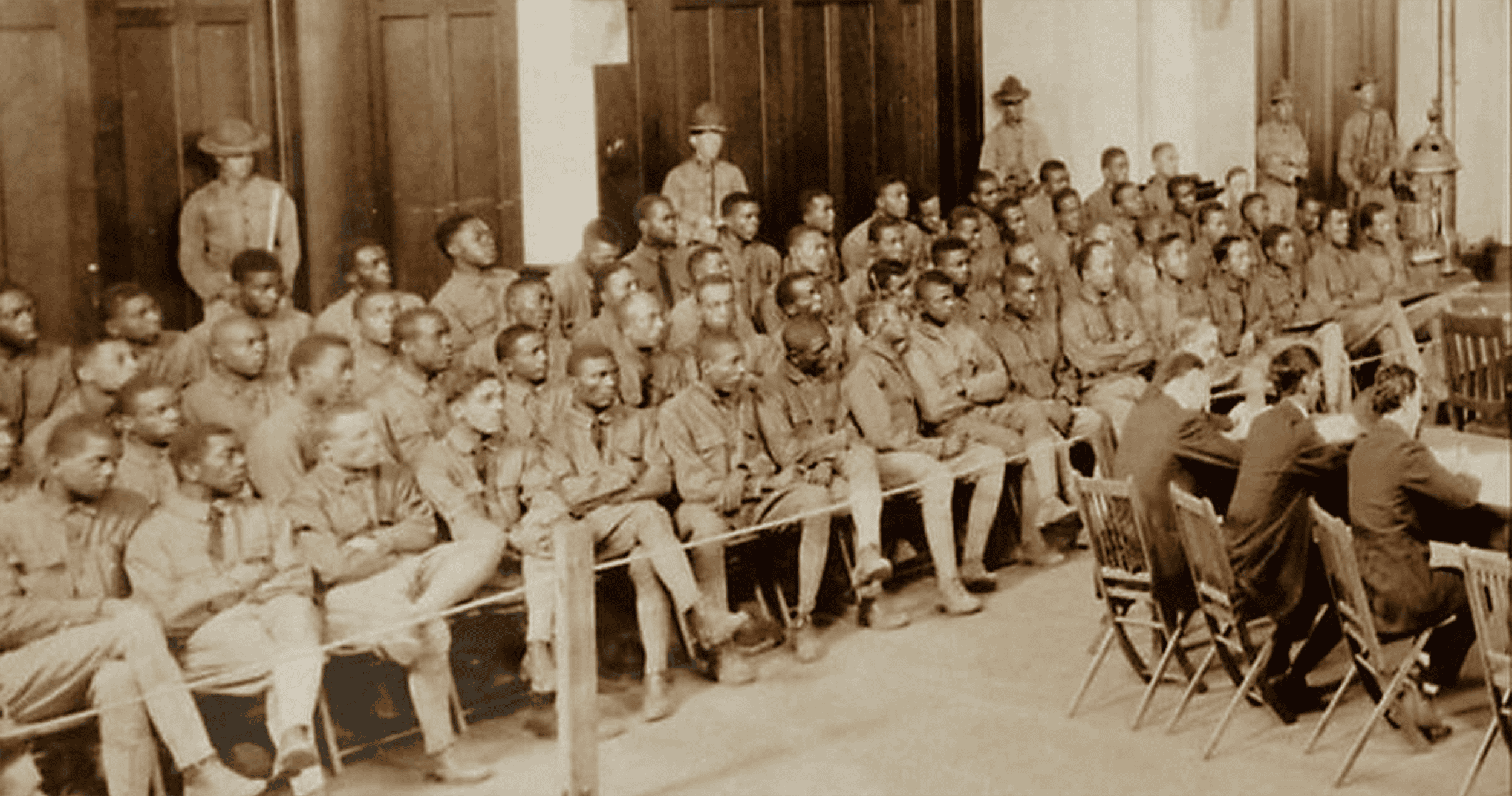
More than a century later, history continues to be made. On November 13, 2023, during an unprecedented announcement, the U.S. Army set aside the wrongful convictions of these 110 soldiers, granting each of them honorable discharge. The Army also declared their commitment to providing survivor benefits to the families of these soldiers.
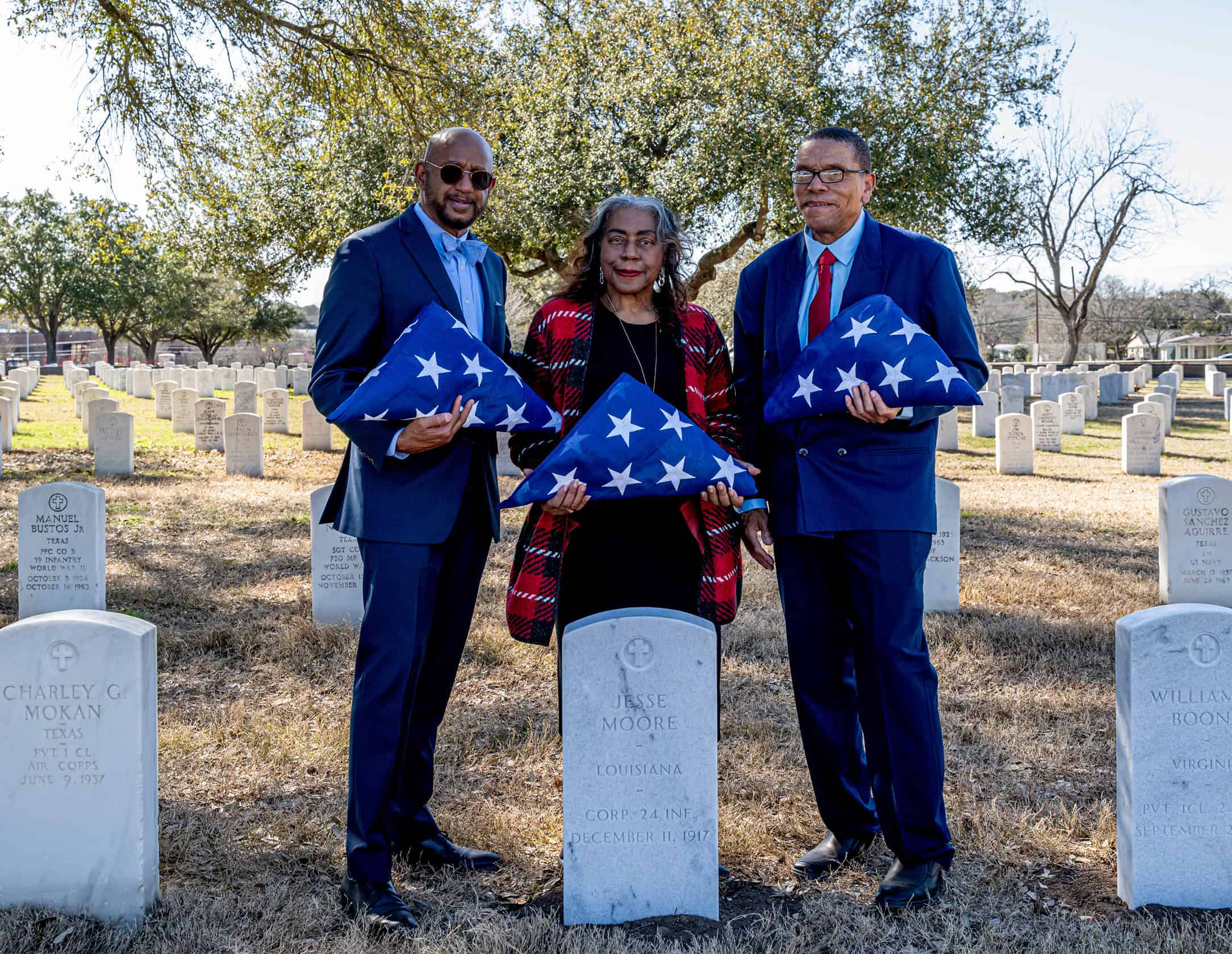
Finally, in collaboration with the U.S. Department of Veterans Affairs, they outlined their plans to properly memorialize the soldiers, a promise they honored on February 22, 2024, during a ceremony at Fort Sam Houston National Cemetery in San Antonio, Texas where the Department of Veterans Affairs National Cemetery Administration dedicated new headstones for 17 of the 19 unjustly executed soldiers. The headstones now show the soldiers’ ranks, signifying their dedication, leadership and commitment to duty.
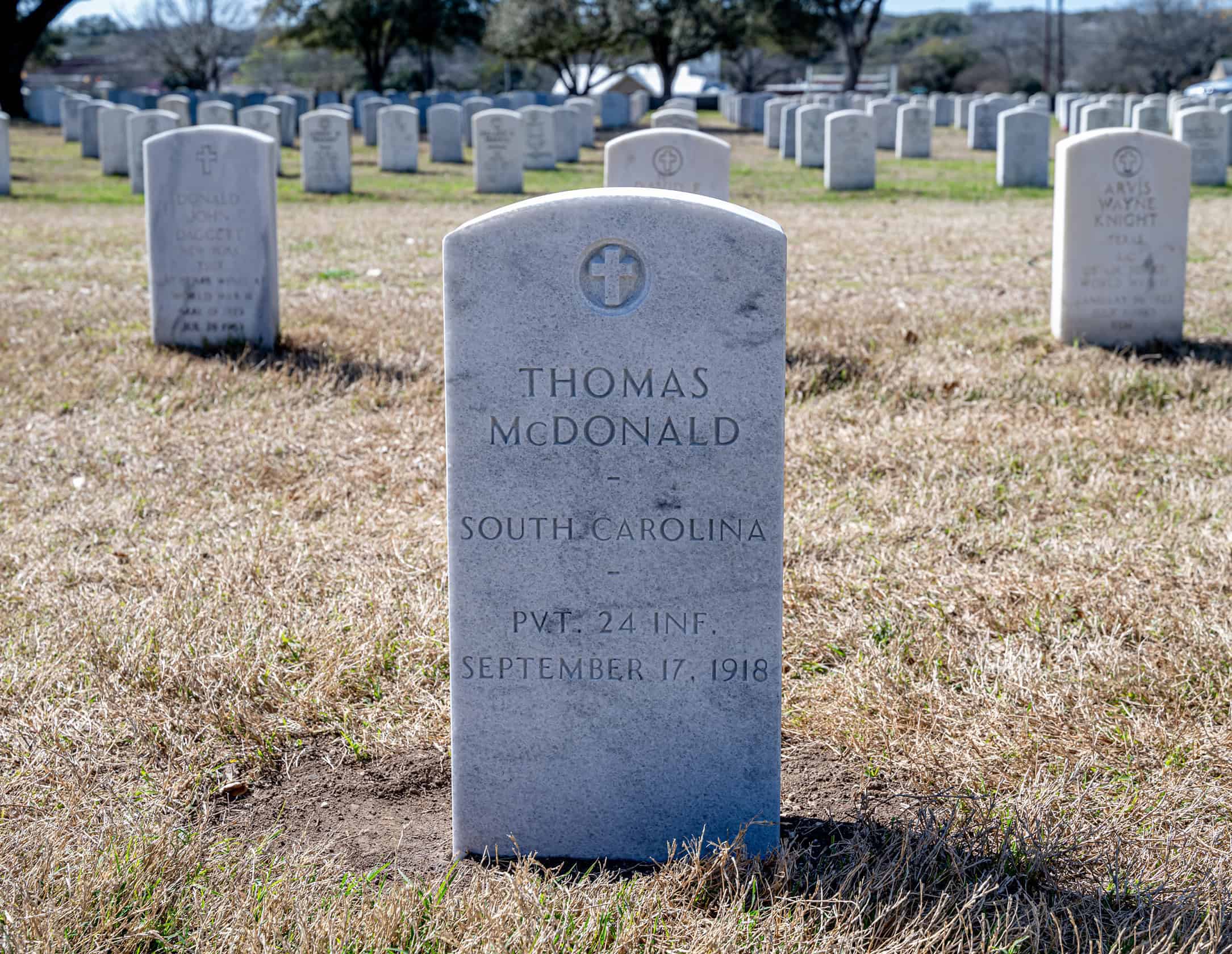
Memorial Groves, the next major project of the Memorial Park Master Plan, will honor all who contributed to the war effort at Camp Logan, including the 3rd Battalion, 24th Infantry Regiment.
Sources: Petition for Clemency, South Texas College of Law Houston Special Library Collection & Buffalo Soldiers National Museum
As stewards of the historic site of Camp Logan, Memorial Park Conservancy hosts their annual Park Conversations Audio Experience, entitled “Remembering and Honoring the Soldiers of the 3rd Battalion, 24th Infantry Regiment.”
This installation honors the U.S. Army soldiers from the 3rd Battalion, 24th Infantry Regiment who served their country bravely while guarding the construction of Camp Logan
in 1917. Following the events of August 23, 1917, 110 of these soldiers were unfairly tried, convicted and court-martialed in the aftermath of what was formerly known as the “Houston Mutiny and Riots of 1917.” Of these 110 soldiers, 19 were executed, and 63 were given life sentences in federal prison. On November 13, 2023, during an unprecedented announcement, the U.S. Army set aside the wrongful convictions of these 110 soldiers, granting each of them honorable discharge.
Hear from descendants and community members connected to these events, reflecting on their impact over a century later.
Conservationist
Listen to Jaime González as he talks about the origins of Memorial Park’s prairie landscape and the rich diversity of people who have tended this land for millennia. This land is both biodiverse and culturally diverse.
Camp Logan Descendant, History Professor at Houston Community College, and Advisory Board Member at Buffalo Soldiers National Museum
Hear Professor Angela Holder’s story. Angela’s great uncle, Corporal Jesse Moore, served as a soldier in the 24th Infantry Regiment at Camp Logan. Cpl. Moore was amongst the first 13 soldiers executed for their alleged participation in the events of August 23, 1917. Please note, this content may not be suitable for younger audiences.
*Cpl. Moore’s conviction was set aside by the U.S. Army on November 13, 2023.
Researcher and Camp Logan Descendant
Hear Jason Holt’s story. Jason’s great uncle, Private 1st Class Thomas Coleman Hawkins, served as a soldier in the 24th Infantry Regiment at Camp Logan. Pvt. Hawkins was amongst the first 13 soldiers executed for their alleged participation in the events of August 23, 1917. Please note, this content may not be suitable for younger audiences.
*Pvt. Hawkins’s conviction was set aside by the U.S. Army on November 13, 2023.
Researcher & Camp Logan Descendant
Hear Charles Anderson’s story. Charles’s cousin, Sergeant William C. Nesbit, was one of 15 family members who served in the military. Sgt. Nesbit was a soldier stationed at Camp Logan with the 24th Infantry Regiment and was amongst the first 13 soldiers executed for their alleged participation in the events of August 23, 1917. Please note, this content may not be suitable for younger audiences.
*Sgt. Nesbit’s conviction was set aside by the U.S. Army on November 13, 2023.
Vice President of the South Texas College of Law Houston
Listen to Professor Catherine Greene Burnett as she identifies the inconsistencies during the court proceedings that led to the soldiers’ convictions following the events of August 1917. Hear how law students at the Innocence Clinic have researched some of the root causes of wrongful conviction. With the help of students and colleagues at South Texas College of Law Houston, Professor Burnett’s work in the fight for clemency helped compel the U.S. Army to set aside the soldiers’ convictions 106 years later. This content may not be suitable for younger audiences.
Former Assistant Professor of Law at the South Texas College of Law Houston
Listen to Dru Brenner-Beck as she reflects upon the soldiers’ legacy and the importance of honoring their memory through proper recognition of their service and the injustices in their trials. Her work in the fight for clemency helped compel the U.S. Army to set aside the soldiers’ convictions 106 years later. This content may not be suitable for younger audiences.
Pastor, Author and CoFounder of Bread of Life, Inc.
Dr. Rudy Rasmus is a native Houstonian with deep roots in the community. Listen as he shares childhood memories of Memorial Park and reflects on what has changed over the years.
After decades of fighting to overturn the 24th Infantry Regiment soldiers’ convictions, with the help of the NAACP, South Texas College of Law, Buffalo Soldiers National Museum and others, the voices of the descendants were finally heard. On November 13, 2023, the U.S. Army announced its decision to set aside the courts-martial convictions of the 110 Soldiers of the 3rd Battalion, 24th Infantry Regiment. The Army not only set aside all convictions, but also ensured that the soldiers’ military service was deemed ‘honorable,’ announced their intention to pay survivors’ benefits to families of these soldiers and announced plans to properly memorialize the soldiers. Hear moments from the ceremony in which this historic decision was declared.
Three months following the U.S. Army’s decision to set aside all convictions of the 110 Black Soldiers accused of mutiny and murder during what was previously called “The 1917 Houston Riots,” 17 of those soldiers from the 3rd Battalion, 24th Infantry Regiment were properly memorialized in a ceremony at Fort Sam Houston National Cemetery in San Antonio, Texas on February 22, 2024. A proper ceremony was held in which new headstones were unveiled for these soldiers. Descendants were presented with upgraded honorable discharge certificates. The ceremony included a flag presentation, a three-round volley, the playing of Taps and presentation of colors. Listen to moments from the ceremony and hear descendants Angela Holder, Jason Holt, and Charles Anderson describe the significance of this moment for their families.
Visit the Memorial Park map to explore all the Park has to offer: trails, recreation facilities, historic sites, and more!
Visit the calendar to see our upcoming events and plan your next visit!
October 7, 2026
October 5, 2026